The Gift Model
Empowering Community Through Reciprocity
What Is a Gift Economy
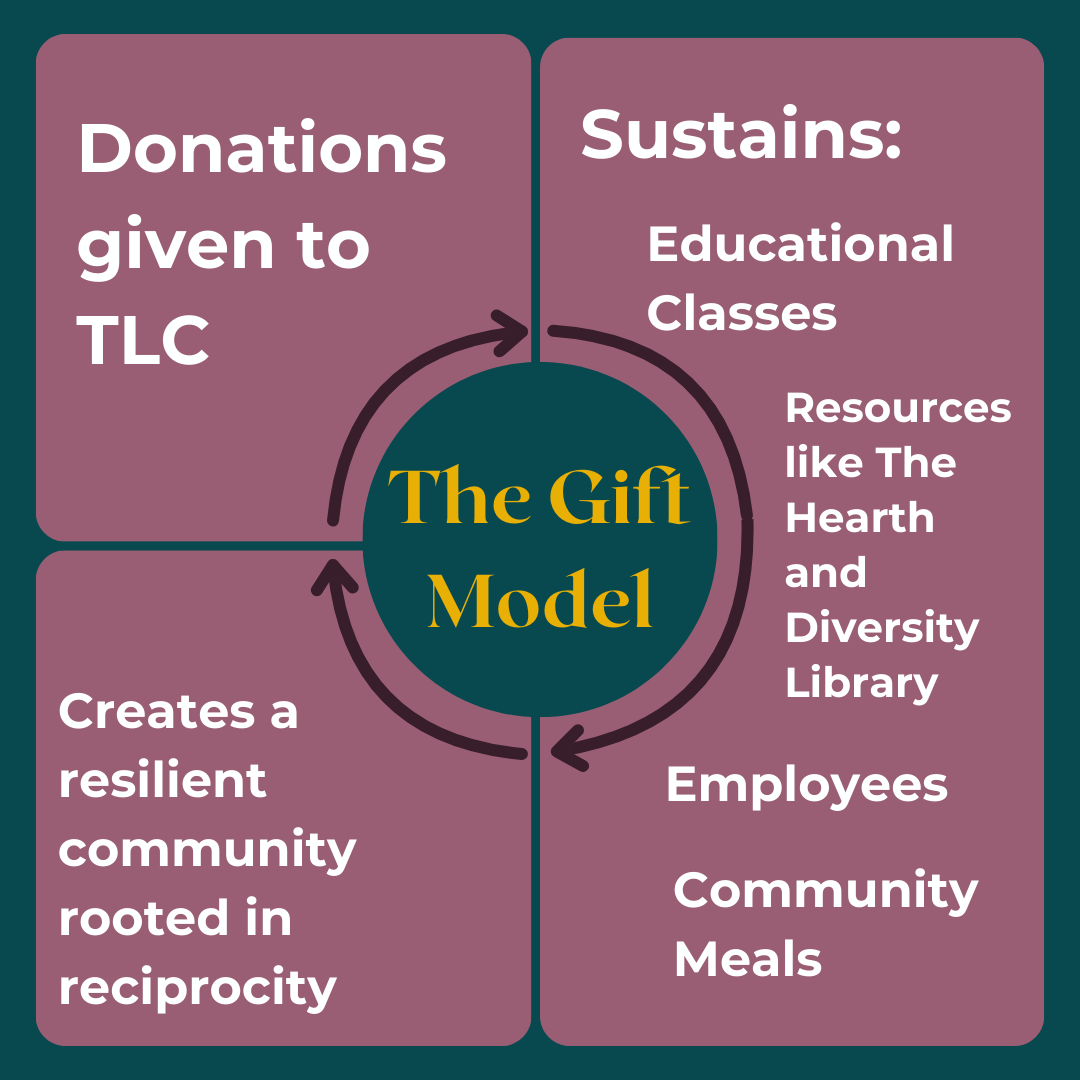
A gift economy is a system based on reciprocity and community support, operating outside modern transactional models. At The Learning Council, we embrace this approach by fostering an environment where gifts of time, knowledge, resources, and skills are shared freely without expectation of direct reciprocation. This creates a vibrant cycle of giving that enriches our entire community.
It’s a gift to exist in reciprocity with nature, community, and each other.
-Robin Wall Kimmerer from her book Braiding Sweetgrass
How Does It Work?
Participate
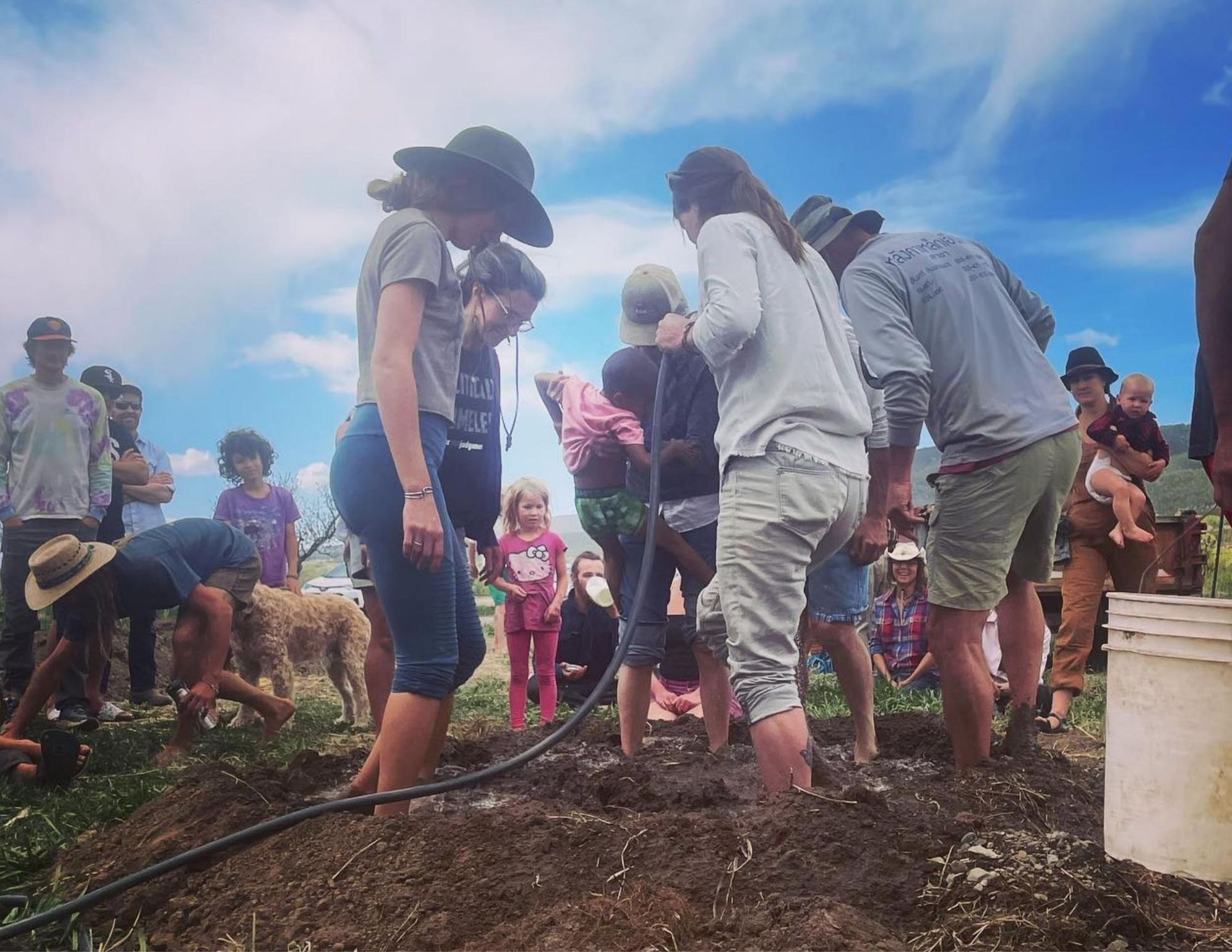
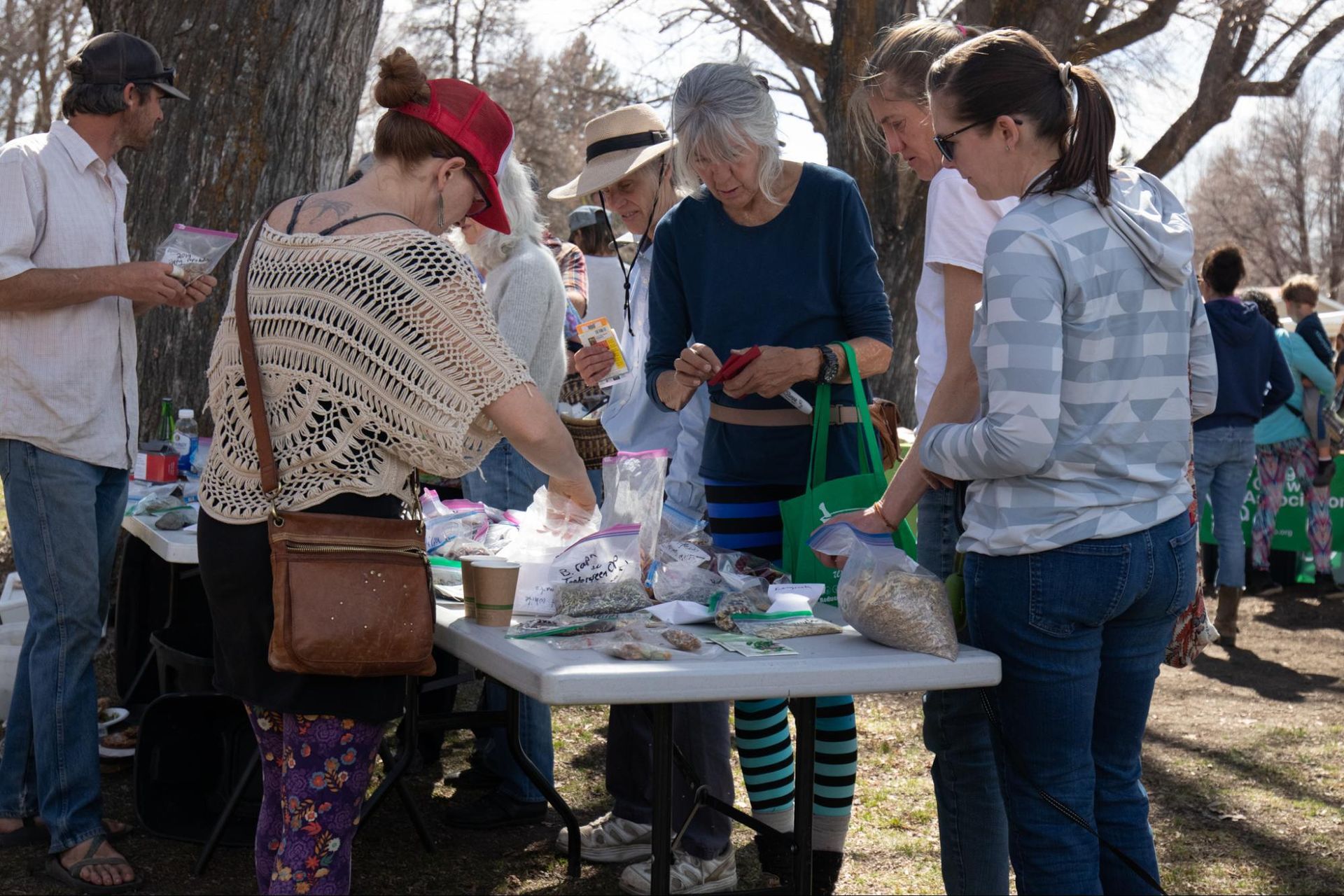
Attend classes, workshops, and community events. Whether engaging with local food and art, receiving garden seeds, or learning new skills—each activity is an opportunity to receive.
Contribute
When you have abundance to share, we welcome your support. Donations of local produce, educational materials, financial gifts, and other resources sustain our programs and help others access them.
Volunteer
Contribute your time and talents: cooking community meals, setting up events, chopping wood, or helping where needed. Your volunteer efforts are crucial to the cycle of reciprocity. Earn Gratitude Notes redeemable for meals or classes.
Teach
Share your knowledge by offering classes that align with our mission of sustainable living and community wellness. TLC provides the space and support for educational programs ranging from agriculture to the arts.
How to Contribute Financially
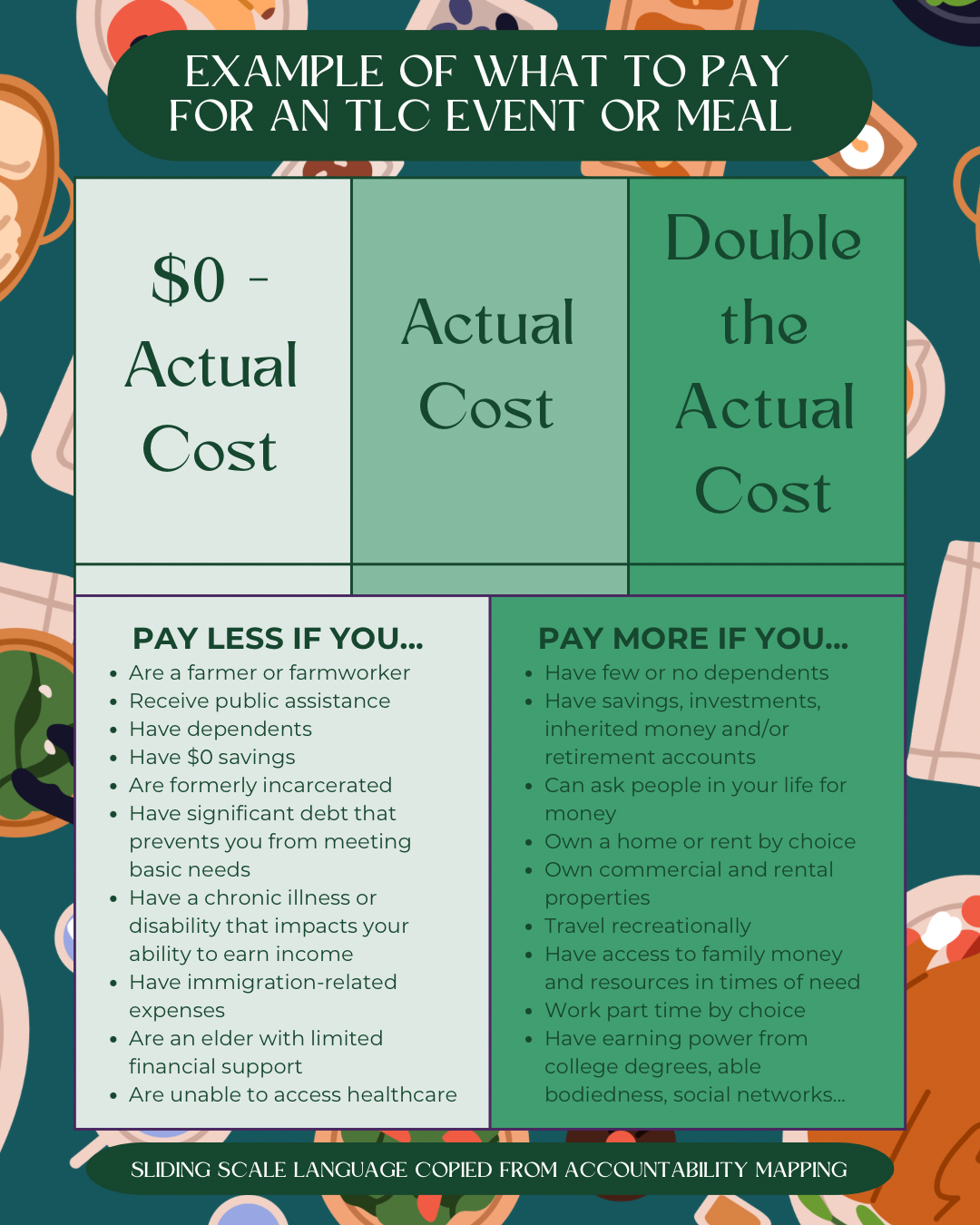
When participating in TLC programs, choose the payment option that works for you:
Pay It Forward
Pay above the actual cost to help others access programs regardless of their financial situation.
Pay the Actual Cost
Cover the true cost of the program, ensuring fair compensation for staff, farmers, teachers, and producers.
Give What You Can
Everyone deserves to benefit from our programs. Contribute whatever you can afford. Every amount helps.
The Impact
Our gift economy model strengthens the North Fork Valley by making resources and education available to everyone.
Inclusivity
Everyone can participate in educational programs, wellness activities, and cultural events. No one is turned away due to finances.
Sustainability
We promote local food systems and sustainable practices through agricultural education and shared resources.
Community Resilience
When we support each other, we build a stronger, more connected community that can weather challenges together.
Empowerment
People contribute their skills, time, and resources in ways that work for them, weaving a richer community fabric.
Why This Matters
"Community is woven from gifts. Unlike today's market system, whose built-in scarcity compels competition in which more for me is less for you, in a gift economy the opposite holds. Because people in gift culture pass on their surplus rather than accumulating it, your good fortune is my good fortune: more for you is more for me. Wealth circulates, gravitating toward the greatest need."
- Charles Eisenstein